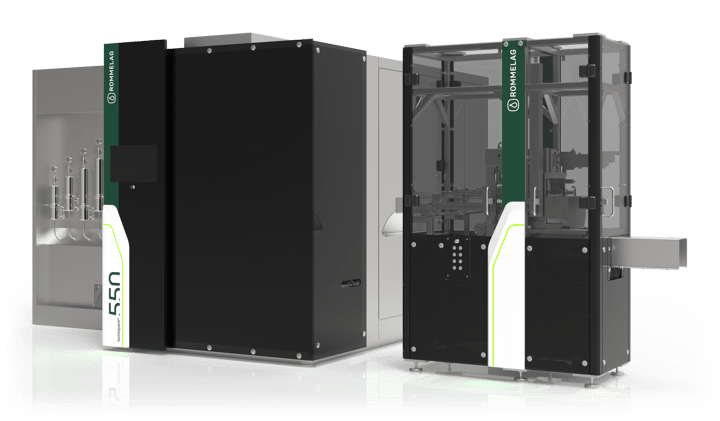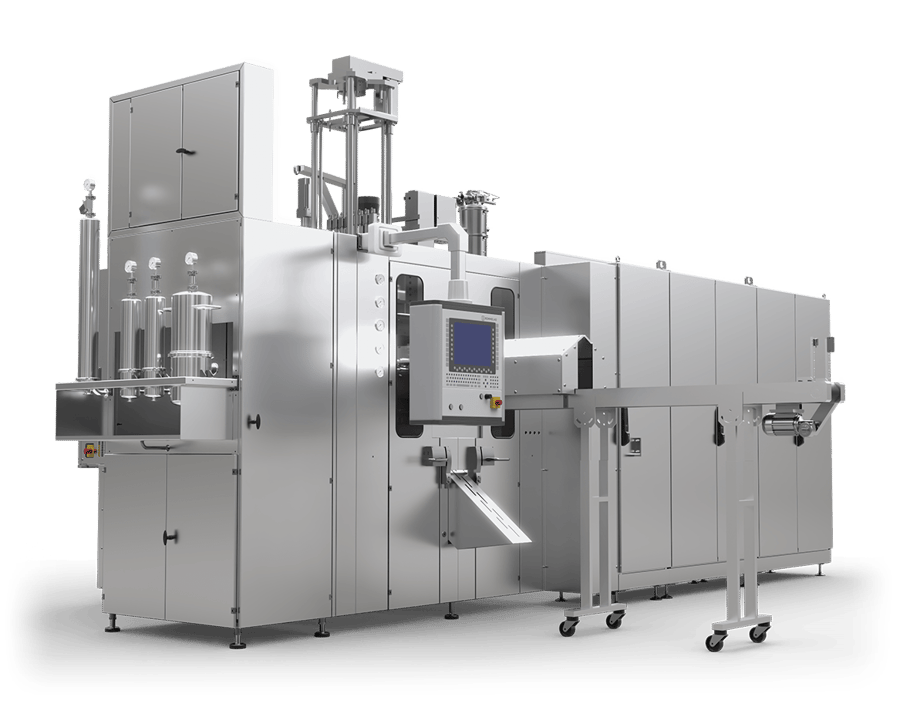
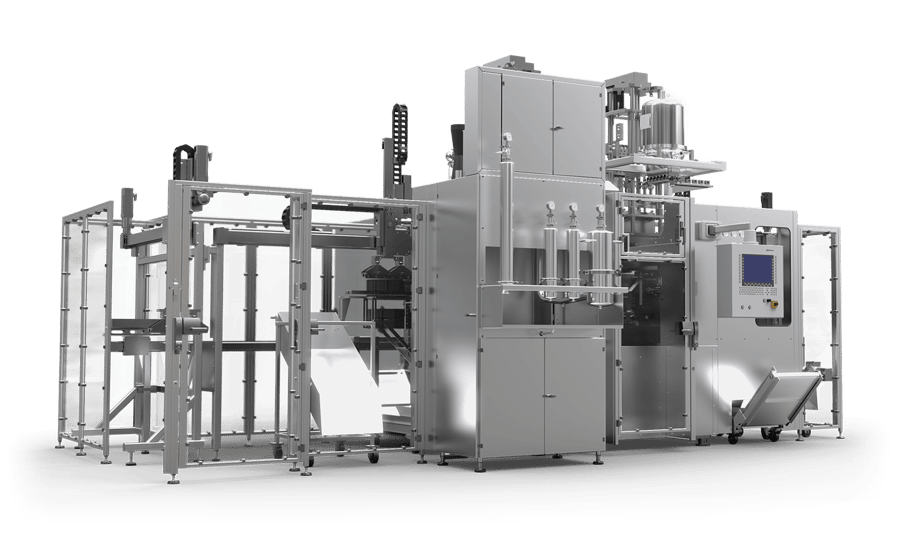
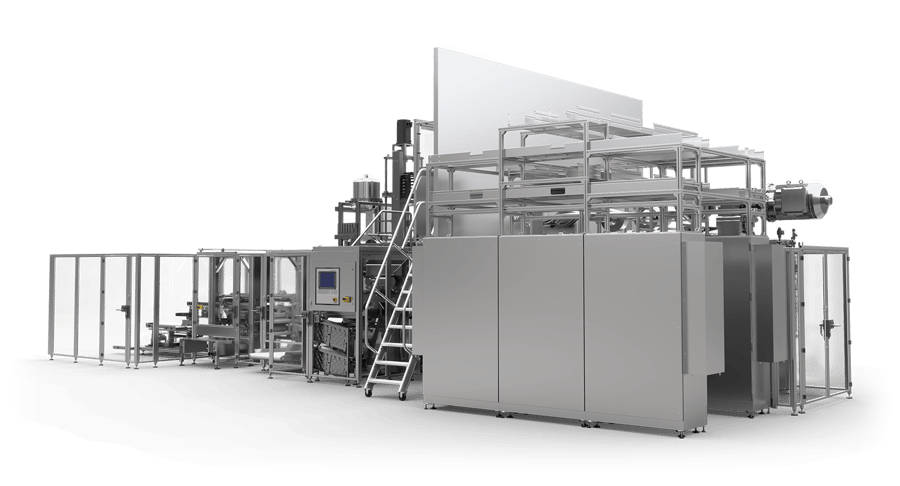
bp 321
1 mold
Containers and output
- Filling volume
- 100–1,000 ml
- Output
- 1,350–2,570 bottles/h
- Plastic
- LDPE, PP
Cleanroom
- Room size
- 100 m²12 × 8.3 m
- Classified area incl. access to aseptic cabinet
- 56 m²
- Room height
- 4 m


2,000+ bottelpack machines installed worldwide
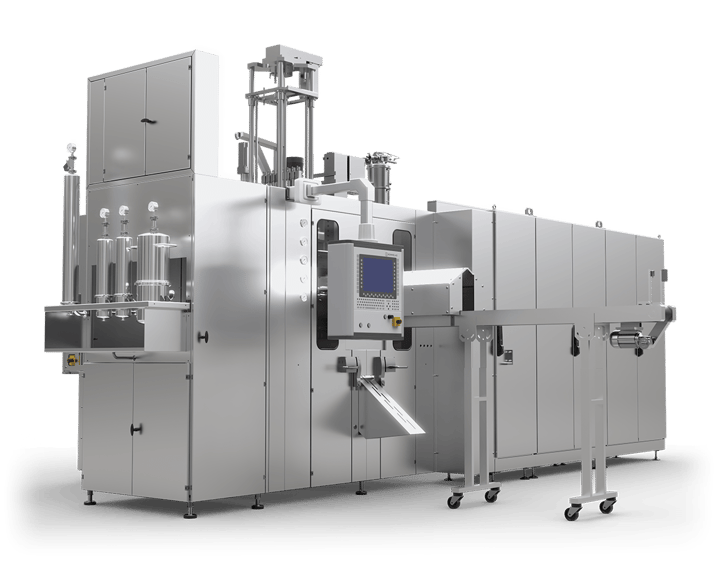
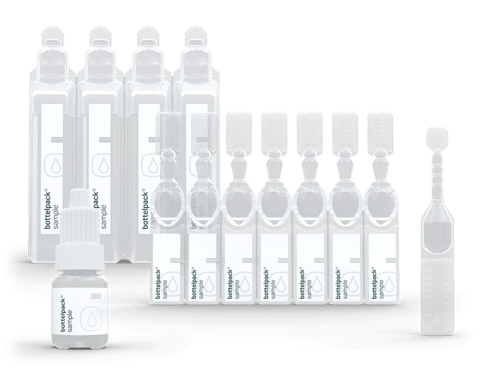
bottelpack machines use Blow-Fill-Seal (BFS) to form, fill and seal ampoules and bottles for pharmaceutical liquids in one closed, automated process.
4 series · large-volume bottles
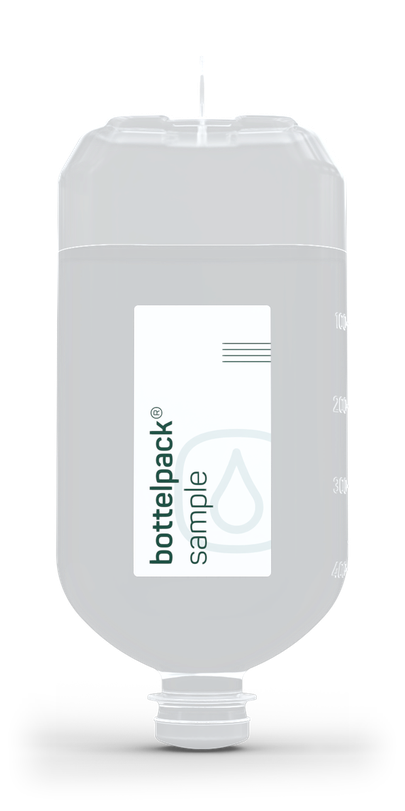
For infusion solutions, wound irrigation solutions and other large-volume parenterals.


1 mold
Containers and output
Cleanroom
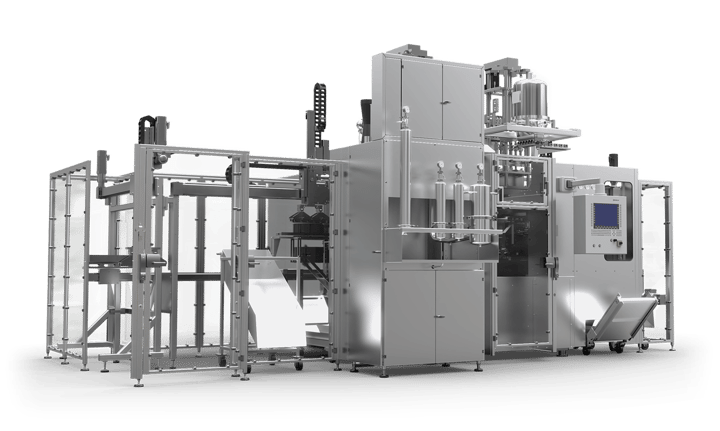
2 molds
Containers and output
Cleanroom
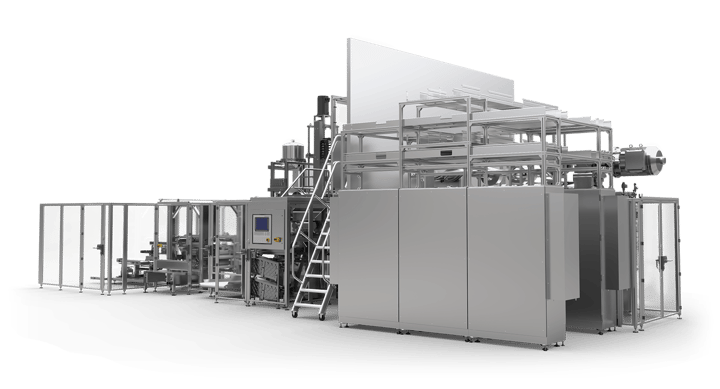
4 molds
Containers and output
Cleanroom
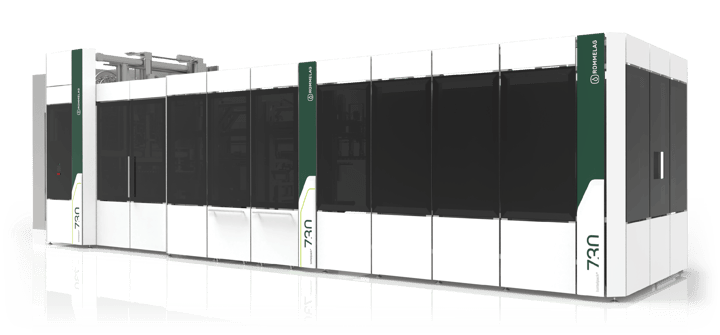
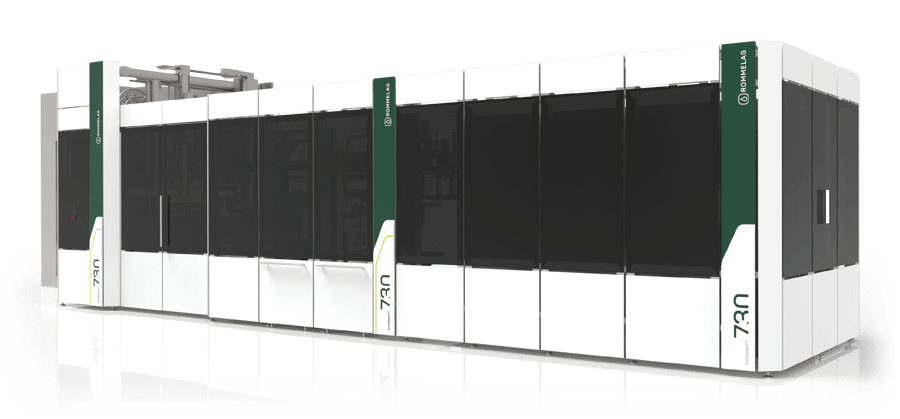
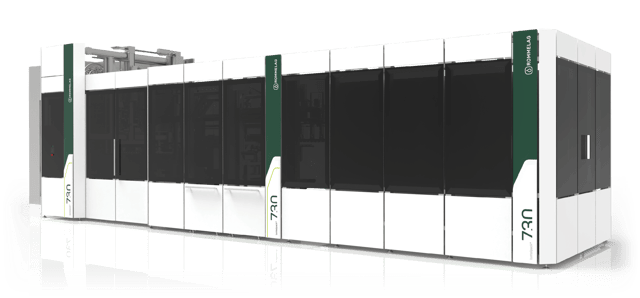
bp 710, 730 and 750
Containers and output
Cleanroom
Output range from the largest to the smallest container listed in the data sheet. Actual output depends on the plastic, the shape and weight of the bottle and the filling liquid. Room size, room height and classified area are the recommended cleanroom dimensions from the data sheets. Actual dimensions may vary slightly.
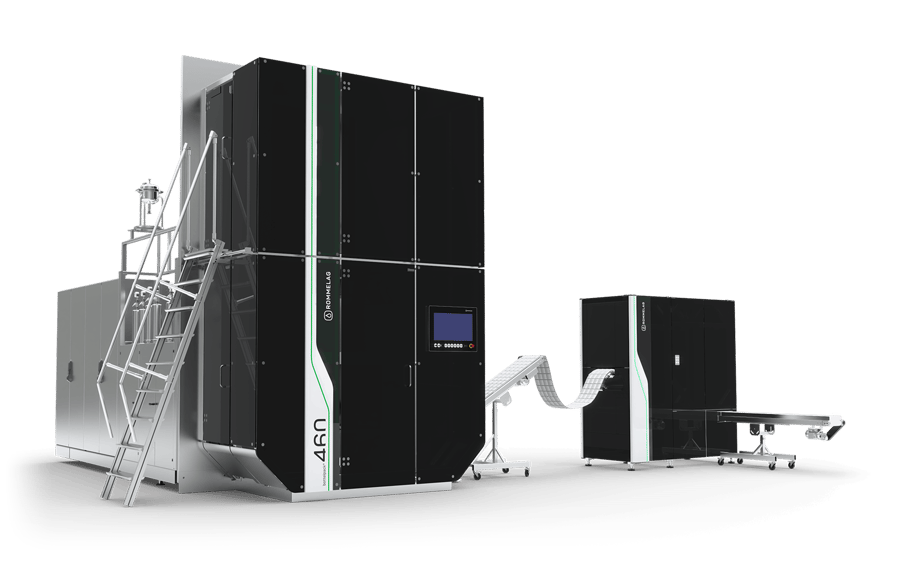
2 series · up to 20 ml
For ophthalmics, inhalation solutions and injectables with smaller filling volumes.
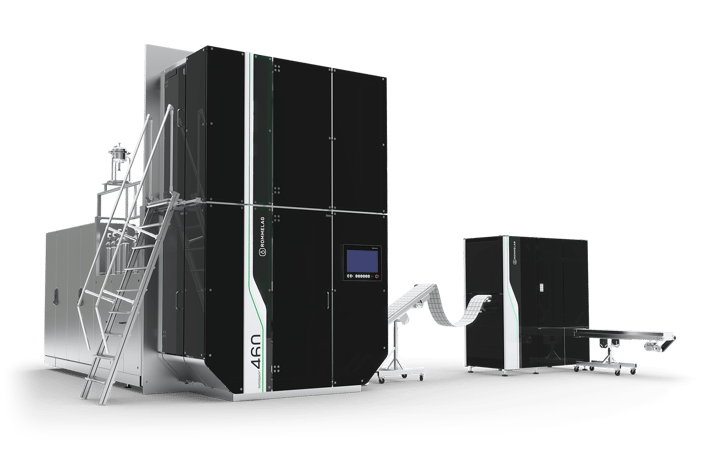
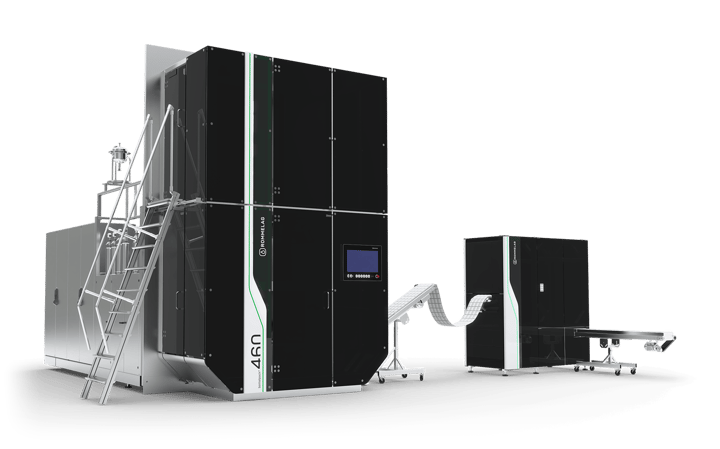


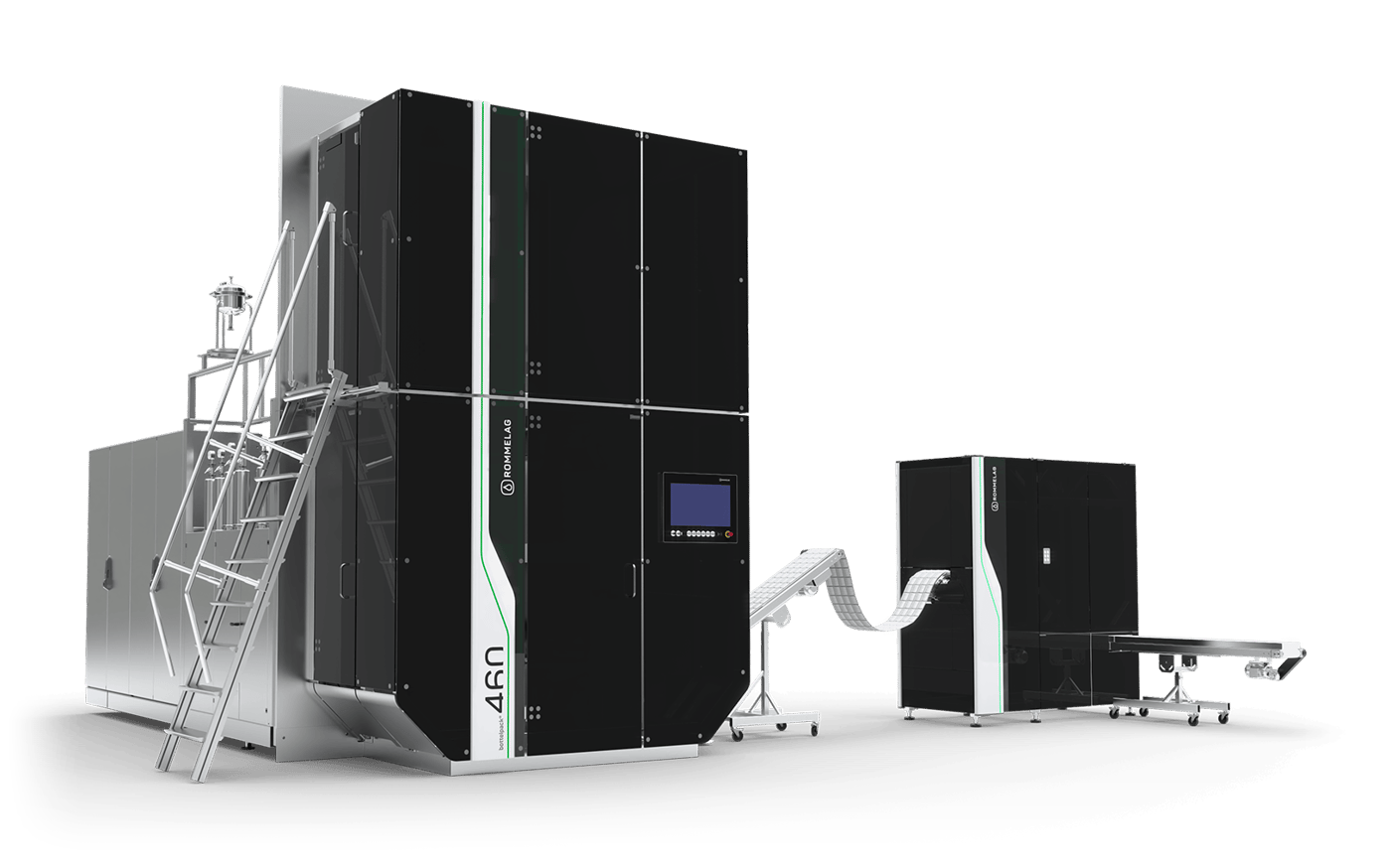
15, 18 or 20 molds
Containers and output
Cleanroom
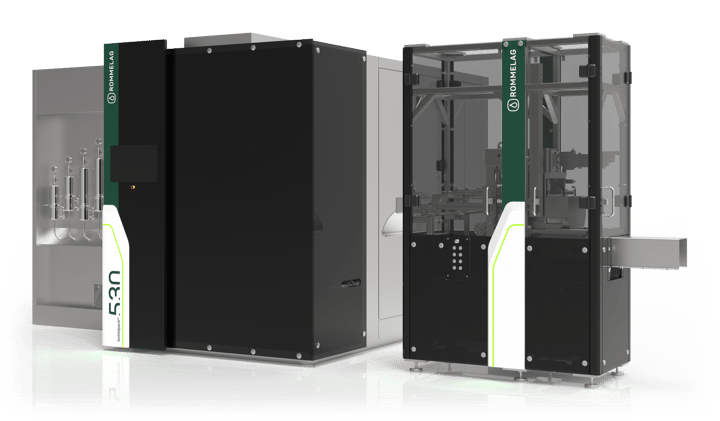

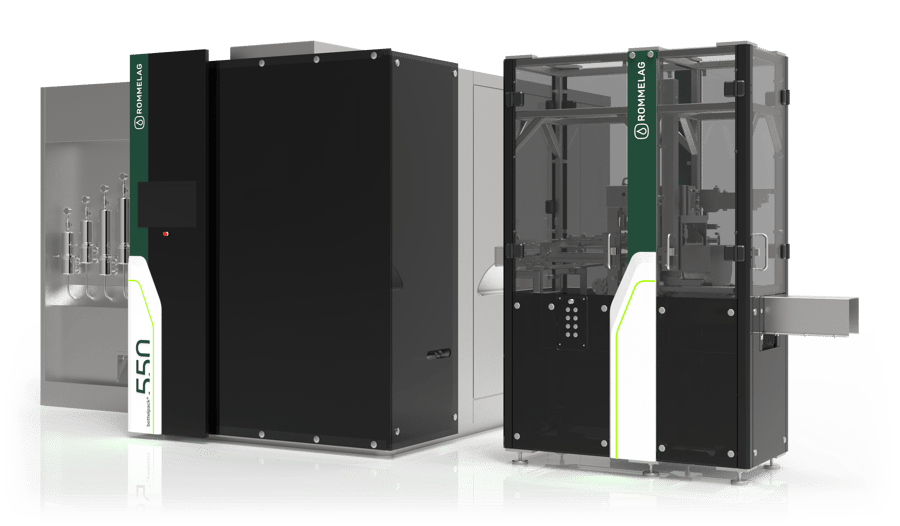
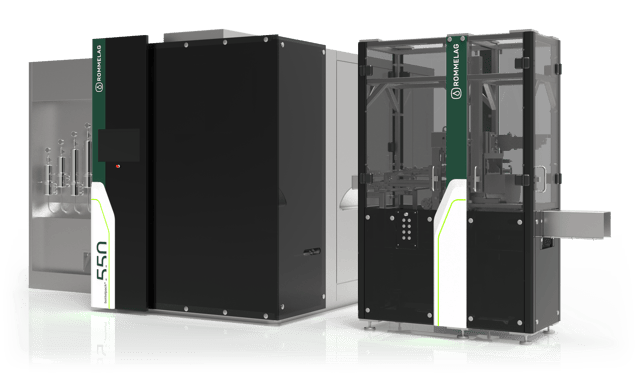
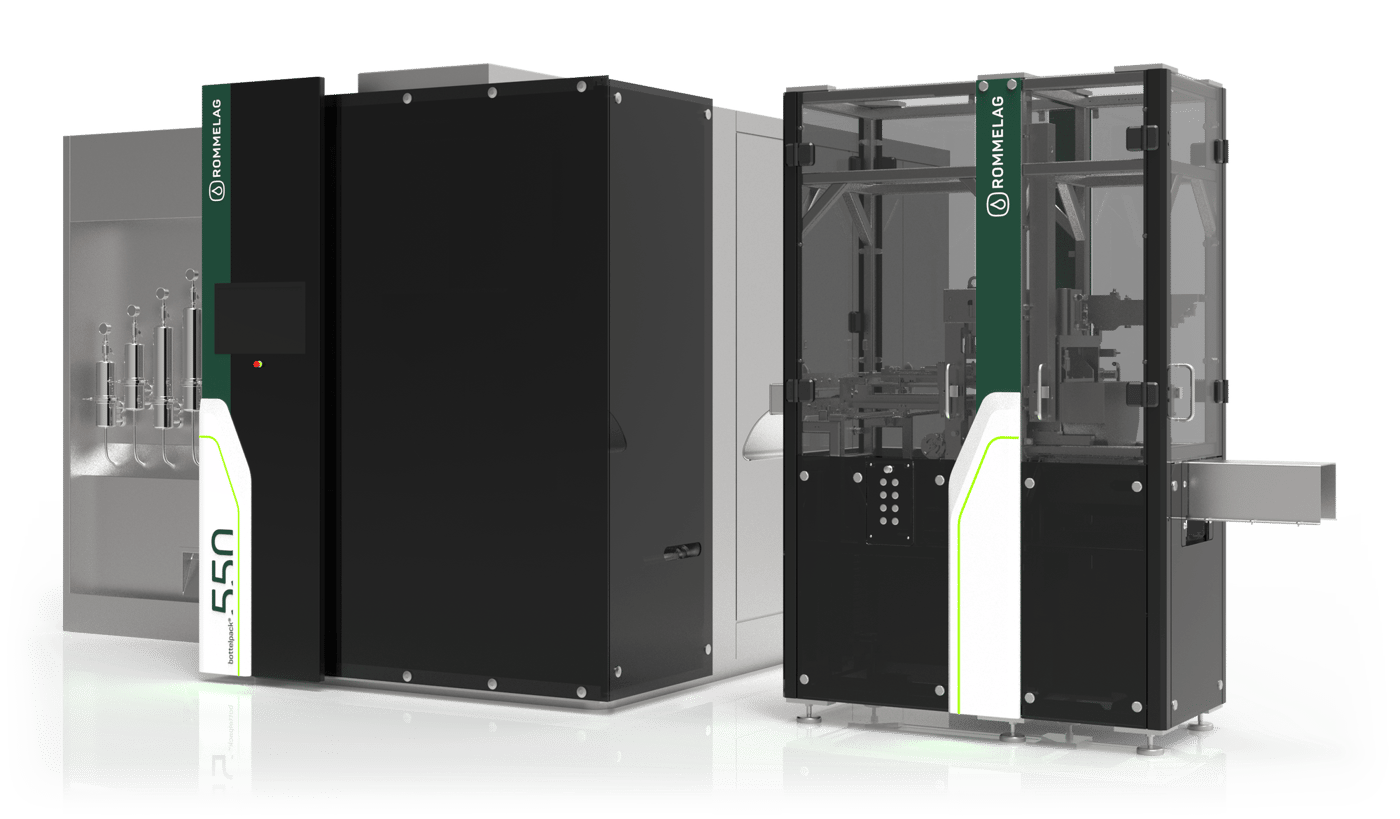
bp 530 and bp 550
Containers and output
Cleanroom
Output range from the largest to the smallest container listed in the data sheet. Actual output depends on the plastic, the container design and the filling liquid. Room size, room height and classified area are the recommended cleanroom dimensions from the data sheets. Actual dimensions may vary slightly.
What is BFS
Sterile polymer resin is extruded into a mold to form the container.
The container is filled with the sterile product immediately.
The container is hermetically sealed, with no exposure to the environment.
Sterile polymer resin is extruded into a mold to form the container.
Learn more about BFS technologycoolBFS and container materials
Benefits
more than
60years
of Blow-Fill-Seal, the technology Rommelag invented. Today, Rommelag serves customers in over 80 countries.
up to
−80%
production waste on the 500 Series, with up to 75% less energy at the same output
up to
37,500
ampoules per hour on the bp 460-20 with Performance Upgrade
about
9m²
classified area for a 500 Series machine, small enough for most existing cleanrooms.
some machines run for more than
30years
at customer sites. Rommelag services every bottelpack machine it has ever built, regardless of its age.
about
15min
to change the filling volume on the 500 Series. A complete format change takes under 2 hours.
Services
Why Rommelag
Rommelag combines bottelpack filling systems with product development support, contract filling and lifecycle services.
Personal contact
Select your country. Your request goes to the person responsible for new machines there.
FAQs
A vial filling line handles containers that already exist: vials arrive pre-formed and are washed, sterilized, filled, stoppered and capped at separate stations. A bottelpack machine forms the container from plastic granulate, fills and seals it within the same machine and the same process cycle, so there is no separate container supply, no vial washing and no stoppering station to qualify.
Rommelag's bp series covers ampoule filling up to the bp 550 and bottle filling from the bp 321 up to the bp 700 Series, producing formats from single-dose ampoules and bellows containers to larger bottles, all with functional closures such as Luer-Fit, Luer-Lock, twist-off, or applicator caps. Because the container is formed as part of the process, Rommelag can also develop custom container geometries for a specific product or dosing need rather than being limited to a catalog of pre-manufactured vial sizes.
Based on the recommended cleanroom dimensions in the data sheets, the classified area ranges from about 9 m² for a bottelpack 500 Series ampoule line to about 154 m² for a bp 364 bottle line. The aseptic protection comes from the closed process itself rather than from the surrounding room classification. That's a meaningful difference for manufacturers planning a new filling line, because cleanroom construction and qualification is typically one of the largest cost and time factors in setting up aseptic production, and a smaller required footprint also leaves more flexibility for later capacity expansion.
On the bottelpack 500 Series and the bp 700 Series, a complete format changeover takes less than two hours, because the mold sets and filling parameters are designed to be swapped without a full line rebuild. The bp 460 is built for high output in a single format, so its format changes take longer. For manufacturers producing multiple products or container sizes on the same line, that changeover speed directly affects how many batches can be run per week and how much idle time a facility has to plan around.